
Exploring how driver assistance and autonomous mobility can revolutionize the future of driving and contribute to accident-free roads.
As technology rapidly advances, we are entering a new era of transportation where autonomous vehicles have the potential to revolutionize the way we commute and travel. These self-driving vehicles, equipped with advanced sensors, artificial intelligence, and machine learning algorithms, have the capability to significantly reduce human errors that are often the cause of accidents on our roads.
Our goal
We aim to delve deeper into these topics and explore the latest advancements, research, and developments in the field of autonomous mobility. Join us as we envision a future with accident-free roads, and together, we can pave the way towards a safer and more sustainable transportation ecosystem.
Our topics

Autonomous mobility
Key advantages of autonomous mobility
One of the key advantages of autonomous mobility is the elimination of human factors, which are responsible for the majority of accidents on our roads today. According to the World Health Organization, an estimated 1.35 million lives are lost each year due to traffic accidents, and an additional 20–50 million people are injured or disabled.
By removing human errors, such as distractions, fatigue, speeding, and reckless driving, we have the potential to drastically reduce these statistics and create safer roads for all.
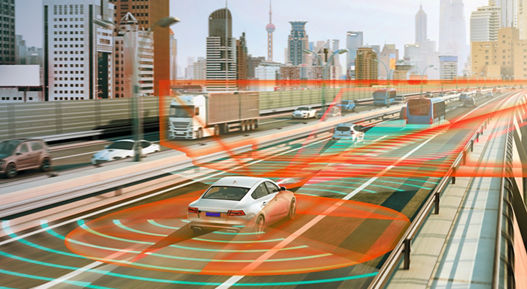
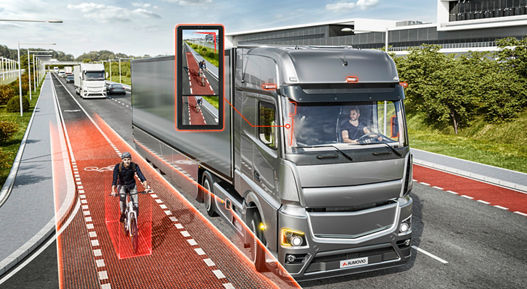
Autonomous vehicles have the ability to continuously monitor their surroundings using an array of sensors, including cameras, radars, and lidars. These sensors provide a 360-degree view of the vehicle's environment, allowing it to detect any potential obstacles, pedestrians, or other vehicles with great precision. The advanced algorithms interpreting this data can make split-second decisions to avoid collisions and navigate safely through complex traffic situations.
Furthermore, autonomous mobility can also help to optimize traffic flow and reduce congestion, thereby further minimizing the risk of accidents. By communicating and coordinating with other autonomous vehicles and intelligent transportation systems, self-driving cars can optimize their routes, adjust their speeds, and merge efficiently, thus reducing the likelihood of collisions and traffic jams.

Making traffic safer and more sustainable
In addition to making roads safer, autonomous mobility can also have a significant impact on the environment. With the rise of electric and autonomous vehicles, we can reduce our dependence on fossil fuels and decrease harmful emissions. This dual benefit of safer roads and reduced environmental impact makes autonomous mobility a truly compelling solution for the future.

Remaining challenges
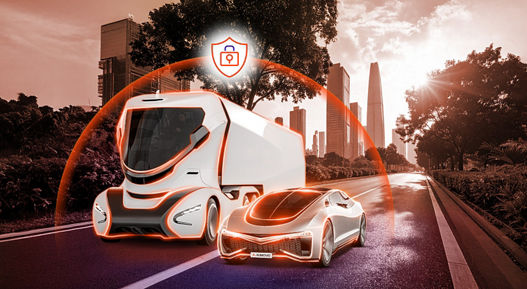
However, there are still various challenges to address before fully realizing the potential of autonomous mobility. Issues such as legal and regulatory frameworks, cybersecurity, and public trust need to be resolved to ensure a seamless integration of self-driving vehicles into our transportation systems.

Explore all our solutions






Do you want to know more?
*If the contact form does not load, please check the advanced cookie settings and activate the functional cookies for the purpose of contact management.